How long does a mutual divorce take?
The duration of a mutual divorce depends on the facts of the case and the applicable legal procedures. In India, a mutual consent divorce generally takes around 6 to 18 months to complete. Both spouses must mutually agree on issues such as alimony, child custody, and property settlement before filing the petition. After the first motion, the court may grant a cooling-off period, which can be waived in certain circumstances. Once the second motion is completed and the court is satisfied that the consent is voluntary, a decree of divorce is passed, legally dissolving the marriage.
What happens if one partner does not agree to divorce?
If one spouse does not agree to divorce, the marriage cannot proceed through mutual consent. In such situations, experienced Divorce Lawyers in Noida can help you file a contested divorce on valid legal grounds such as cruelty, desertion, adultery, or other recognized reasons. The court evaluates the evidence presented by both parties before passing a judgment. Contested divorce cases may involve child custody, alimony, maintenance, and property disputes, making professional legal assistance essential. Trusted Divorce Lawyers in Noida provide strategic guidance and strong representation to protect your rights and secure the best possible outcome.
Who is eligible to claim maintenance?
Under Indian law, individuals who are unable to maintain themselves may be eligible to claim maintenance. This includes wives, children, dependent parents, and in certain circumstances, husbands, depending on the applicable legal provisions. A spouse may seek maintenance during or after divorce proceedings if financial support is required. Minor children, unmarried daughters, and elderly parents who are dependent on their children can also claim maintenance. The amount awarded depends on factors such as income, financial needs, standard of living, and other relevant circumstances. Consulting experienced Maintenance Lawyers can help protect your legal rights and interests.
What legal protection is available in domestic violence cases?
Victims of domestic violence are entitled to various legal protections under Indian law, including protection orders, residence rights, monetary relief, custody orders, and compensation for physical, emotional, verbal, economic, or sexual abuse. Courts may also restrain the accused from committing further acts of violence or contacting the victim. In urgent situations, immediate relief and interim orders may be granted to ensure safety and financial security. Seeking assistance from experienced Domestic Violence Lawyers can help victims understand their rights, obtain appropriate legal remedies, and receive strong representation throughout the legal process with confidentiality and compassion.
How is child custody decided by the court?
Child custody is decided by the court based on the best interests and welfare of the child. Factors such as the child’s age, emotional and educational needs, health, relationship with each parent, financial stability, and the ability to provide a safe and nurturing environment are carefully considered. Depending on the circumstances, the court may grant sole custody, joint custody, or visitation rights. The child’s preferences may also be taken into account if they are of sufficient age and maturity. Experienced Child Custody Lawyers can help parents protect their rights and pursue arrangements that serve the child’s overall well-being.



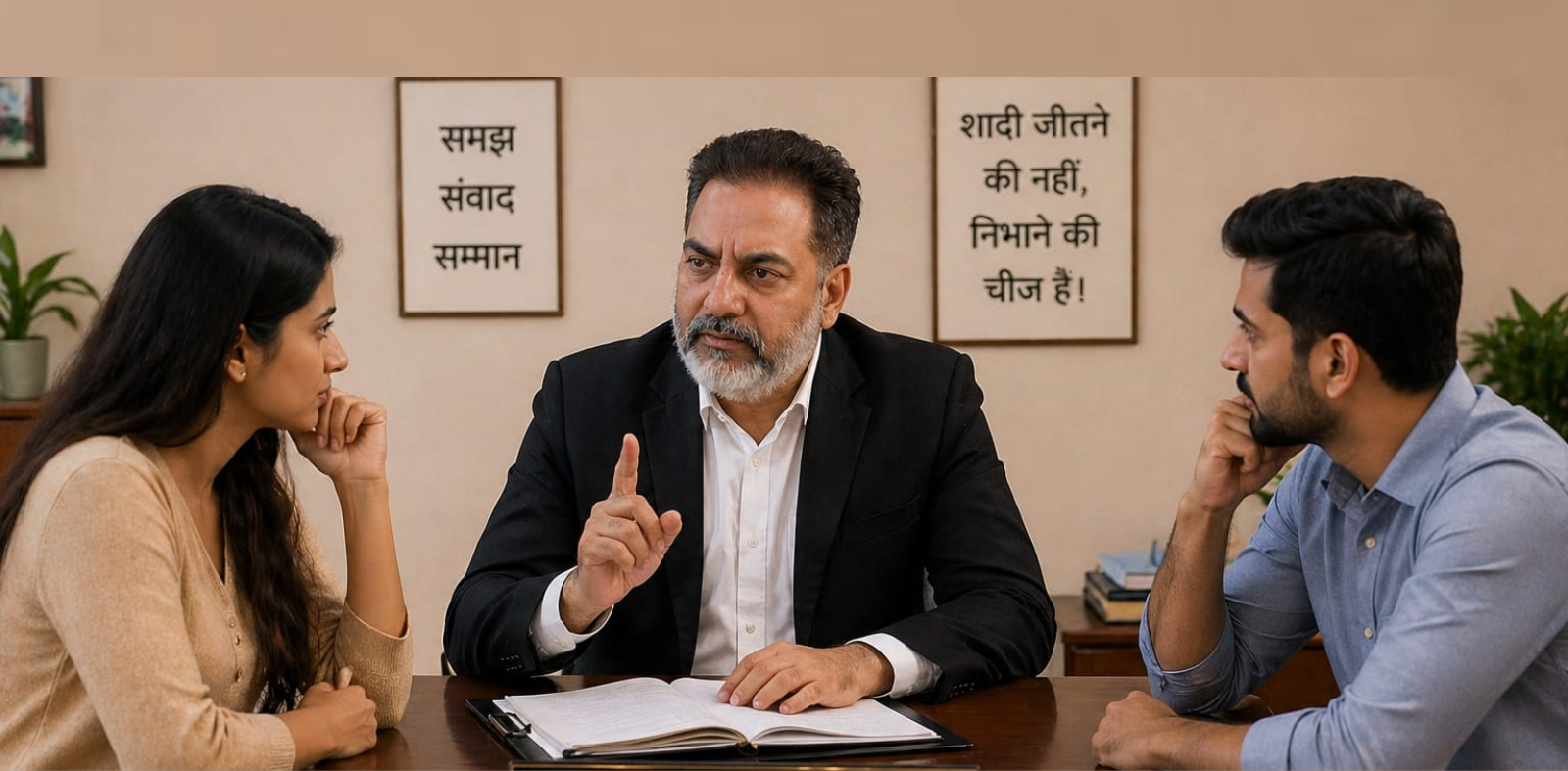


.png)



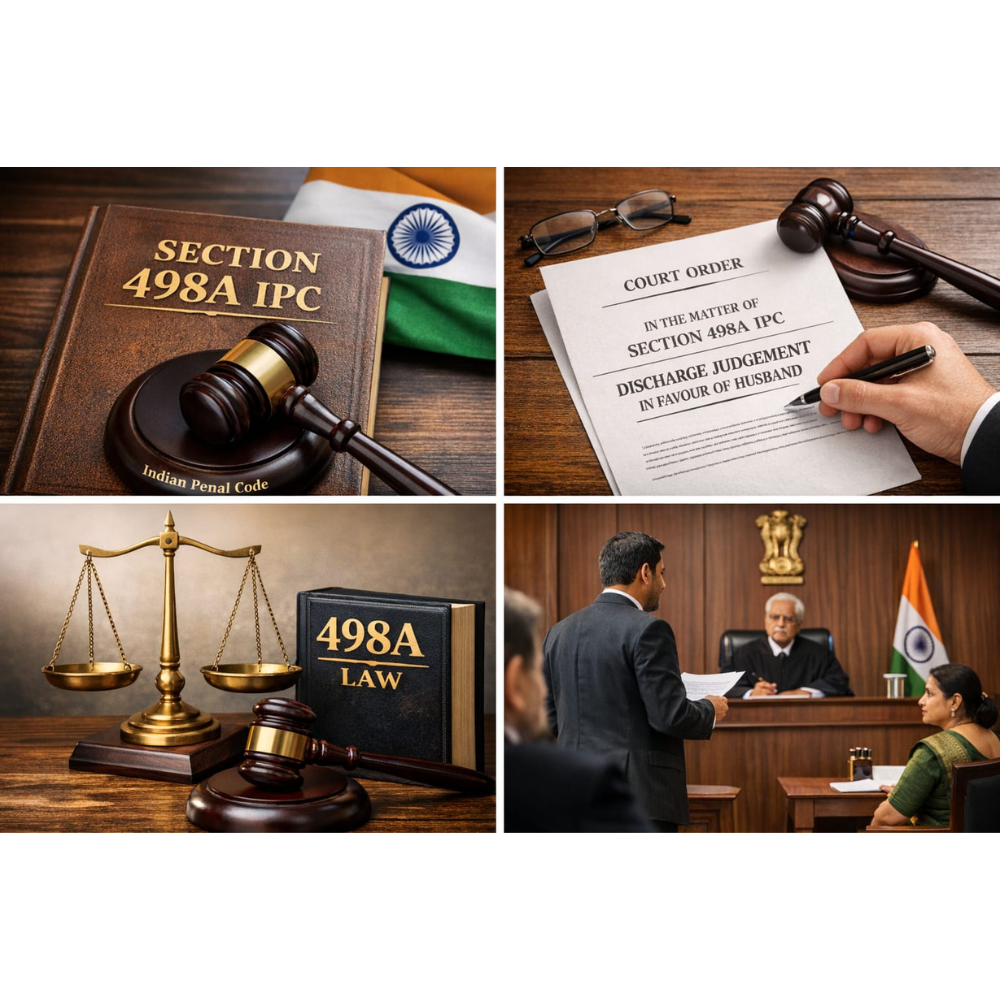



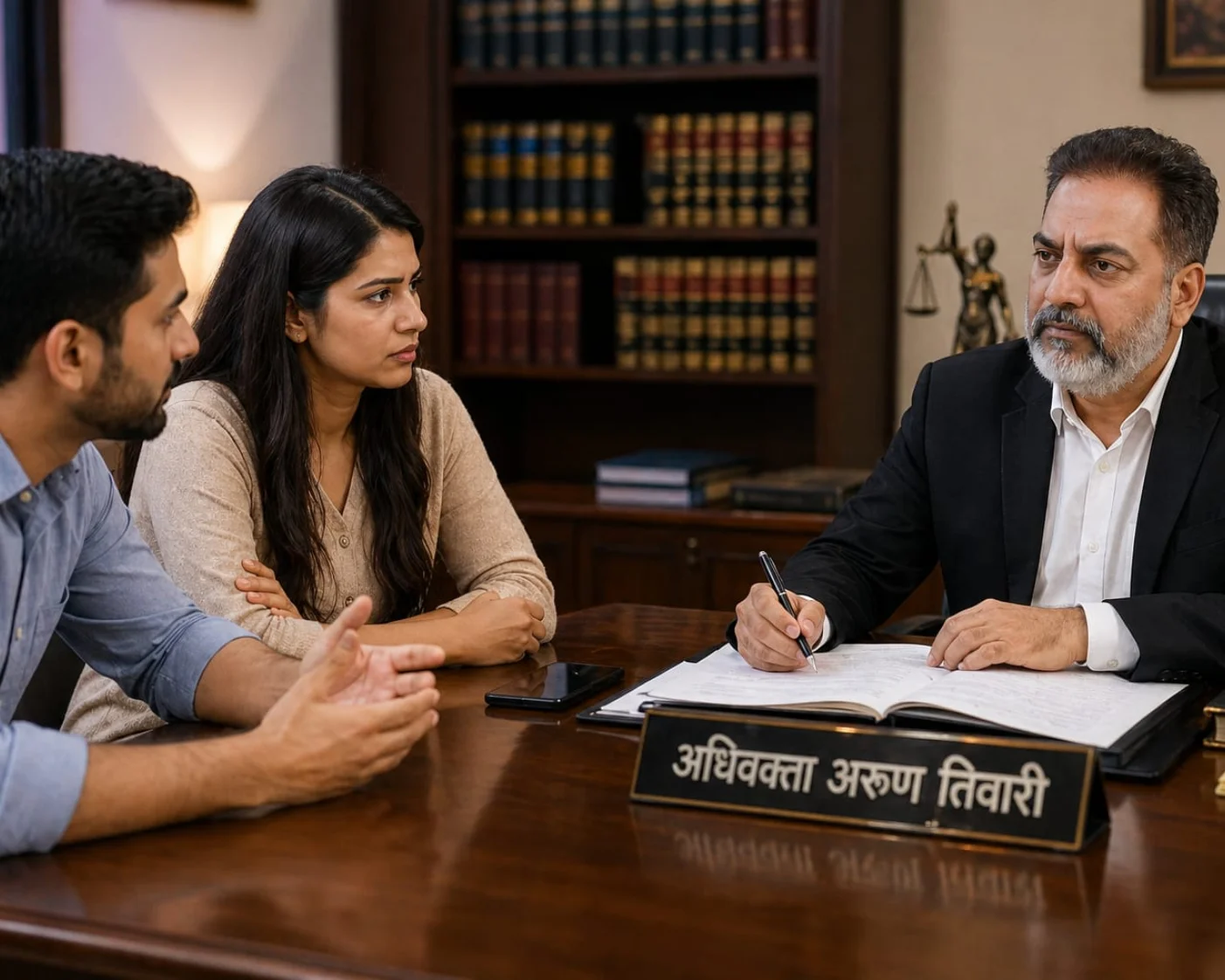

.png)
